
Government-supported charity Historic Environment Scotland is perhaps best known for its conservation work in protecting historic Scottish buildings, monuments, and locations: Edinburgh Castle and Holyrood Park, for example.
As Scotland's football team embarks on its World Cup campaign with its opening game against Haiti this weekend, HES is getting in on the action with a Citizen History initiative that recognises the sites linked to the development of football in Scotland.
On the eve of Scotland's ninth World Cup finals, HES is asking members of the public, local communities, supporters and historians across the country to suggest sites connected to the history of football in Scotland for further investigation and recording.
The information gathered through the survey will be used to help HES identify sites for further research, recording and possible recognition as Protected Historic Places, such as listed buildings and scheduled monuments.
What is a historic footie site?
Sites could include grounds, pavilions, parks, buildings or other locations with a strong connection to the history of the game in Scotland.
"Football is Scotland's national sport and a key part of our history, and we've launched this project to better understand the sites that are important to our football heritage. We want to hear from anyone who knows about the places that have played a part in the development of football in Scotland," says Victoria Murray, Head of Heritage Information, Recording and Business.
"Scotland is recognised as a pioneering football nation, but many places linked to that story are not widely known or recorded. With the help of the public, the project aims to build a fuller picture of locations throughout the country that have helped shape the game."
The project will mainly look to focus on the development of Association Football from the 1860s onwards, a time when Scotland's first teams and players played an important role in developing and popularising the version of the sport that is played worldwide today.
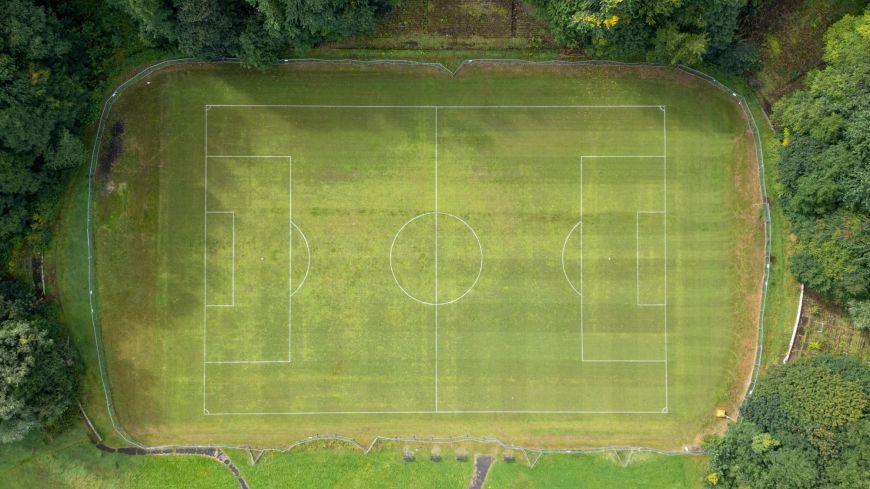
"These could be the remains of grounds themselves - such as recently scheduled Cathkin Park (pictured above) or the site of First Hampden - or more varied sites with football links - such as the listed Rose Reilly pub in Glasgow's southside, where we recently updated our records to recognise the former Hampden Bar's connection to Reilly, who is an icon of women's football in Scotland."
The Scottish football heritage project has been informed by Talking About Heritage, HES's national conversation about heritage where the organisation spoke to over 6,000 people across Scotland about what heritage matters to them and how it should be looked after.
Ged O'Brien, football historian and founder of the Scottish Football Museum, welcomed the launch of the project. He said: "Football is all about memories. Many of those memories are stored in the places we love: the stadium, the pub, the park where we played. They must be recorded, cherished and protected, so that future generations can have their own memories."
"The football culture of Scotland is the football culture of world football. The historic environment of football was nurtured and brought to full bloom in a thousand corners of Scotland. They all tell us where football came from and who we are as a nation."
Members of the public can suggest sites they would like to be considered via the consultation page on the HES website.
The survey is open for submissions until Thursday 20 August 2026.